
DAC systems use fans and chemical sorbents to extract CO₂ directly from the atmosphere. Companies such as Climeworks and Carbon Engineering are at the forefront deploying DAC plants to deliver high-quality, permanent carbon removal.
Direct Air Capture, or DAC, has rapidly become one of the most talked-about solutions for directly removing carbon dioxide from the atmosphere.
DAC systems use fans and chemical sorbents to extract CO₂ directly from the atmosphere. Companies such as Climeworks and Carbon Engineering are at the forefront deploying DAC plants to deliver high-quality, permanent carbon removal. Climeworks operates the world’s largest DAC plant in Iceland as of 2024. This facility can capture an impressive 4,000 tons of CO2 each year, a record that showcases the real-world potential of DAC.
Recent projections suggest that by 2030, DAC technologies could collectively remove up to 1.5 billion tons of CO2 annually, which would be a game-changer for meeting international climate targets. The most encouraging trend is the dramatic fall in costs: while it currently costs about $600 to capture a ton of CO2, industry experts forecast a drop to as low as $100 per ton by 2035. This reduction is driven by ongoing technological improvements and scaling efforts. The speed of this progress is both surprising and inspiring, as only a decade ago, DAC was considered a distant dream. Currently, these credits are among the most valued in the voluntary carbon market due to their traceability, scalability, and net-negative impact.
Carbon Capture Utilization and Storage involves capturing emissions from industrial sources and either storing them underground or converting them into usable products like fuels or building materials. This approach not only reduces carbon intensity but supports carbon credit generation through verified capture pathways.
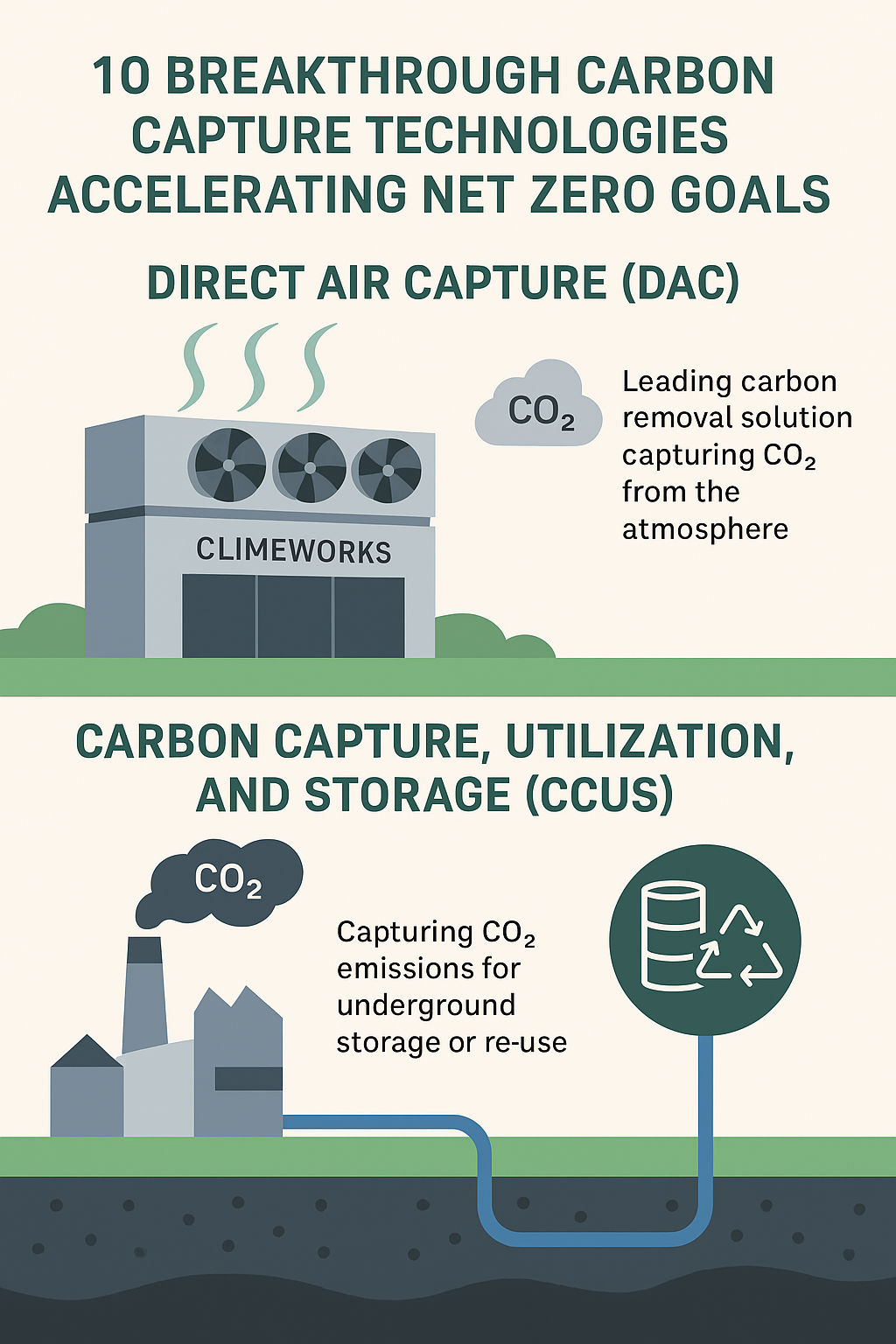
Revolutionizing how industries approach emissions, CCUS is making it possible to both capture carbon and put it to productive use. As of 2025, there are now over 30 large-scale CCUS facilities operating worldwide, together capturing around 40 million tons of CO2 each year.
The Global CCS Institute notes that these technologies are not just about storage; captured CO2 is now commonly used to create synthetic fuels and low-carbon building materials. Heavy industries like cement and steel are seeing the biggest impact, with studies suggesting that CCUS could slash their emissions by up to 30% by 2030. This dual-use approach—capture and utilization—makes CCUS especially attractive to companies seeking both environmental and economic benefits. The scale and speed of deployment in the past two years highlight strong momentum, fueled by rising carbon prices and supportive policies. The growing maturity of CCUS is turning it from a niche idea into a core pillar of decarbonization strategies.
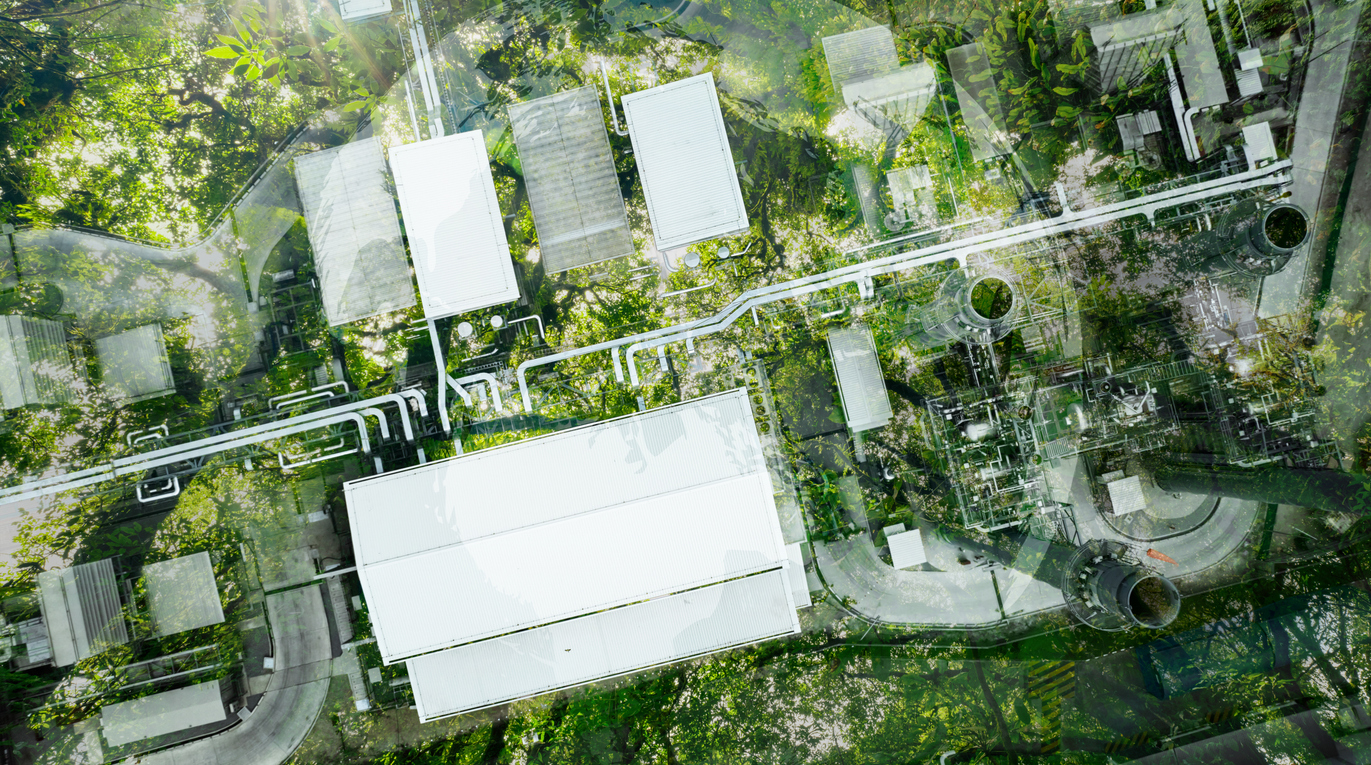
Bioenergy with Carbon Capture and Storage (BECCS) stands out as a rare solution offering negative emissions, meaning it actually removes more CO2 than it emits.
This approach combines energy generation from biomass with advanced carbon capture technology. The International Energy Agency’s 2024 report estimates that BECCS could remove up to 2.5 gigatons of CO2 per year by 2050, a scale that could make a substantial dent in global carbon budgets. The Drax power station in the UK is leading the way, aiming to become carbon negative by 2030 through large-scale deployment of BECCS.
By capturing biogenic CO₂ and securing it in geological formations, BECCS offers a net-negative emissions profile and is a critical pathway in net-zero scenarios modeled by the IPCC.

By accelerating natural mineral processes that absorb CO₂, enhanced weathering locks carbon into stable carbonates. Applied to croplands, mine tailings, or coastal zones, it contributes to carbon removal while supporting biodiversity and soil health.
Enhanced weathering takes inspiration from nature, accelerating geological processes that naturally absorb CO2 over millennia. Scientists have discovered that by spreading finely crushed minerals like olivine on land or in the ocean, they can trigger chemical reactions that permanently remove carbon dioxide from the air. According to research published in 2024, large-scale enhanced weathering could sequester up to 1.5 billion tons of CO2 annually if widely adopted. Pilot projects in places such as Hawaii and the United Kingdom are currently underway, testing the practical challenges and environmental impacts of this technology.
One key advantage is the long-term stability of the stored carbon, as the minerals convert CO2 into solid carbonates.
While the logistics of mining, grinding, and distributing these minerals are non-trivial, the approach presents a powerful, nature-based complement to engineered solutions. Enhanced weathering is attracting attention as a low-tech, high-impact method that could scale globally with the right investment.
Blue carbon solutions such as kelp farming, ocean alkalinity enhancement, and mangrove restoration tap into the ocean’s vast carbon sink potential. These strategies align with co-benefit goals, enhancing marine ecosystems while sequestering carbon at scale.
Ocean-based carbon capture technologies are turning the world’s largest carbon sink—our oceans—into an even greater ally against climate change. Startups like Ocean-based Climate Solutions are exploring methods such as large-scale seaweed farming and ocean alkalinity enhancement to boost the ocean’s ability to absorb CO2. A 2025 study from the National Oceanic and Atmospheric Administration (NOAA), estimates that ocean alkalinity enhancement could remove up to 1 billion tons of CO2 each year if deployed at sufficient scale. These efforts also offer side benefits, such as promoting marine biodiversity and improving fish habitats.

Pilot projects off the coasts of the United States and Australia are already showing measurable increases in carbon uptake and ecosystem health. The ocean’s vastness makes it an attractive setting for carbon capture, but researchers are moving carefully to balance climate goals with the need to protect delicate marine systems. The latest results underscore the promise and complexity of working with nature on such a scale.
Agriculture is undergoing a quiet revolution, with farmers embracing carbon capture techniques that both reduce emissions and nurture soil health. Climate-smart farming and regenerative agriculture promote soil carbon buildup, proving highly effective at locking carbon in soils and vegetation. Through no-till methods, cover cropping, compost application and agroforestry, soil becomes a significant carbon sink, supporting both food security and emissions reduction.
According to a 2024 Food and Agriculture Organization (FAO) report, these methods could collectively sequester up to 1.5 billion tons of CO2 each year if adopted on a global scale. The benefits go beyond climate: healthier soils mean greater resilience to drought and improved food security for communities.

In the United States, pilot projects in the Midwest are showing that integrating carbon capture techniques can boost yields and provide new revenue streams through carbon credits. Governments and aggrotech companies are now investing heavily in education and technology to speed up adoption. The growing momentum in agricultural carbon capture is reshaping rural economies and redefining what it means to be a steward of the land.
Next-generation sorbents, including MOFs, are engineered for high-efficiency CO₂ capture at low energy input. Their modular nature makes them suitable for both stationary and mobile sources, such as cargo vessels or decentralized carbon credit platforms.
The search for the perfect material to trap CO2 has led to remarkable breakthroughs in advanced materials, especially metals MOFs and zeolites. These materials are engineered at the molecular level to capture CO2 more efficiently and with less energy than traditional methods.

A 2024 study found that MOFs can absorb CO2 at a much lower energy cost compared to standard amine-based systems, which often require high temperatures and significant energy input. This means future carbon capture plants could operate more cheaply and with a smaller environmental footprint. Researchers in Japan and Germany have recently unveiled MOFs that can selectively trap CO2 even at low concentrations, making them especially valuable for direct air capture applications. The versatility and scalability of these materials are driving rapid commercialization efforts. As these next-generation materials move from the lab to real-world deployment, they promise to make carbon capture more accessible and affordable for industries worldwide.
A major leap forward in carbon capture comes from integrating these systems with renewable energy sources like solar and wind. This approach uses surplus renewable electricity to power energy-hungry carbon capture processes, dramatically reducing the overall carbon footprint.
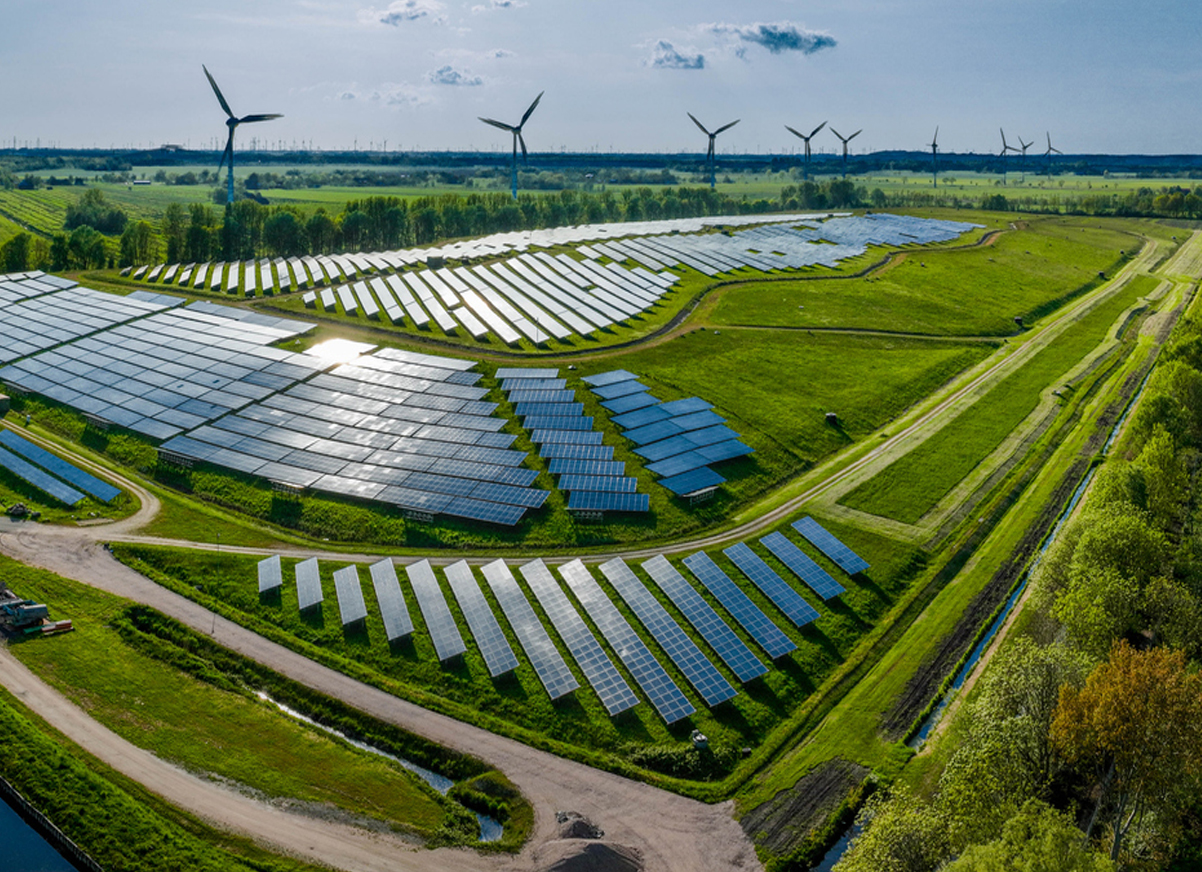
Coupling solar or wind energy with capture operations significantly reduces the carbon footprint of carbon removal. These integrations support climate strategy consulting frameworks by aligning renewable deployment with verified offset production.
A 2025 analysis by the International Renewable Energy Agency (IRENA) found that pairing carbon capture with renewables not only improves efficiency but also helps balance the grid by soaking up excess power when supply outstrips demand. For example, new pilot plants in Texas are using wind energy to run direct air capture units, demonstrating real-world synergy. This integration also addresses criticisms that carbon capture simply shifts emissions from one sector to another. By aligning the cleanest energy with the most ambitious carbon removal, this trend is accelerating both decarbonization and energy transition goals. The potential for scale is enormous as renewable energy continues to expand globally.
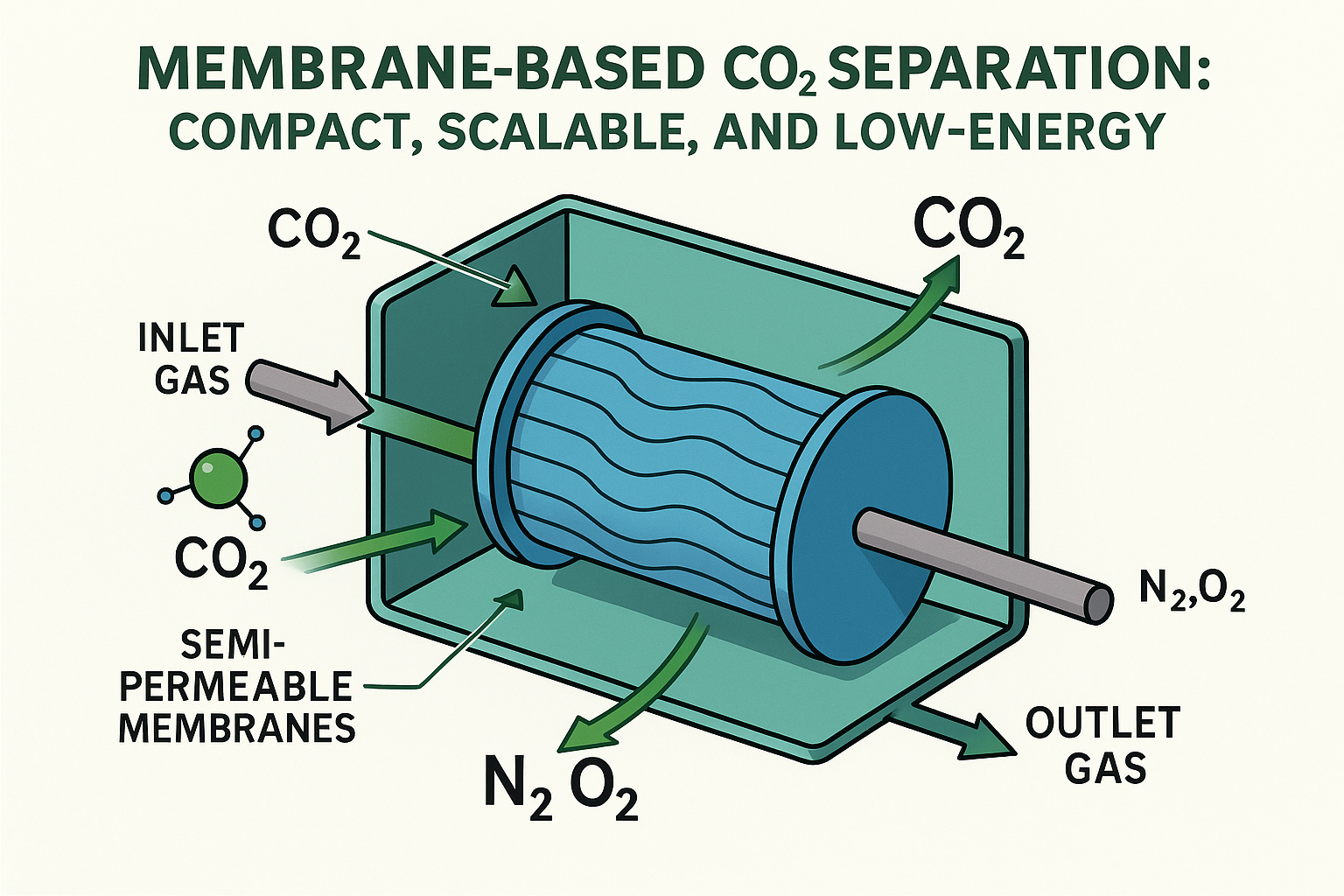
Membrane-based carbon capture is rapidly emerging as a viable alternative to traditional solvent-based systems, offering a more compact and energy-efficient way to separate CO₂ from gas streams. These systems employ semi-permeable membranes—crafted from polymers, ceramics, or hybrid materials—that selectively allow carbon dioxide to pass through while blocking nitrogen, oxygen, and other gases.
What sets membrane technology apart is its scalability and operational simplicity. Membranes do not require water or chemical solvents, making them particularly attractive for use in remote industrial operations, marine vessels, and modular carbon capture units. Their lightweight and compact design allow for easy integration into existing infrastructure, including shipping engines, steel manufacturing, and power generation facilities.
Research is ongoing to develop new and improved membrane materials, including polymeric membranes, mixed-matrix membranes (MMMs), and inorganic membranes like zeolites.
Various membrane configurations are being explored, including hollow fiber membranes and membrane contactors, to optimize performance and scalability.
Combining membrane technology with other CO2 capture methods, like chemical absorption or electrochemical processes, is an area of active research.
Maintaining membrane performance over time, particularly in the face of issues like plasticization and aging, is a key challenge.
Balancing high CO2 permeability (allowing for high flow rates) with high selectivity (ensuring efficient separation) is crucial for optimal performance.
Further research and development are needed to reduce the overall cost of membrane-based CO2 capture systems, making them more competitive with other technologies.
Successfully scaling up membrane systems from laboratory to industrial scale is a significant challenge that requires careful engineering and design
Leading research institutions and companies—including ExxonMobil, Helmholtz-Zentrum, and the U.S. Department of Energy—have reported promising cost reductions and energy savings with next-generation membrane configurations. Recent advances in asymmetric membranes and facilitated transport membranes have improved CO₂ selectivity and permeability, pushing the technology closer to commercial viability.
As demand grows for decentralized carbon capture solutions, membrane-based systems will play a pivotal role in reaching global net-zero goals—particularly in hard-to-abate sectors seeking compact, high-throughput carbon removal options.
The European Union has updated its Emissions Trading System to provide greater incentives for carbon capture in hard-to-abate sectors. Policymakers in Asia and Australia are following suit, recognizing the need to support early-stage technologies until they are cost-competitive. Government action is proving decisive in the race to scale up carbon capture technologies. In 2024, the United States committed $3.5 billion to carbon capture projects through the Infrastructure Investment and Jobs Act, representing one of the largest single investments in the sector.
New tax credits, permitting reforms, and funding for demonstration projects are enabling faster deployment and attracting private capital. These frameworks are not just about money—they provide certainty for investors and clear signals for industry Planning. The growing alignment between regulatory action and technological innovation is setting the stage for a new era in carbon management.
Green Carbon Corp continues to lead climate innovation through strategic carbon credit procurement and verified carbon credits integration. As global companies seek to buy carbon credits and align with Scope 3 emissions reduction goals, understanding the top advances in carbon capture becomes mission critical. This article highlights the most relevant technologies shaping the future of carbon offset marketplaces and carbon credit investment decisions.
These carbon capture innovations reinforce the importance of carbon credit due diligence and access to high-quality carbon offsets contributing to a robust climate strategy. Green Carbon Corp integrates these technologies into its carbon credit trading platform, enabling companies to sell carbon credits and support a compliant carbon offset marketplace. With ESG carbon credits, nature-based carbon credits, and alignment with the GHG protocol and carbon credits, organizations can embed sustainability into every corporate climate strategy.
Each of these breakthroughs contributes to a robust climate strategy by reducing emissions and increasing the availability of verified carbon credits. As demand for carbon transparency, integrity, and scalability intensifies, these technologies are central to the evolution of carbon credit trading and long-term net-zero alignment.