
As corporate net-zero strategies mature, the focus is shifting from carbon avoidance to carbon removal. While both types of credits serve to compensate for emissions, removal credits—generated through methods such as direct air capture (DAC).
As corporate net-zero strategies mature, the focus is shifting from carbon avoidance to carbon removal. While both types of credits serve to compensate for emissions, removal credits—generated through methods such as direct air capture (DAC), reforestation, or biochar—physically extract CO2 from the atmosphere. In contrast, avoidance credits represent emissions that never occurred, often due to improved efficiency or deforestation prevention. This distinction is influencing procurement decisions by major buyers like Microsoft and Shell, who are reshaping carbon credit markets in favor of more durable and measurable climate impacts.
Carbon removal credits are increasingly seen as essential to meeting science-aligned net-zero targets, particularly for residual emissions that cannot be eliminated through direct reductions. According to the Intergovernmental Panel on Climate Change (IPCC), large-scale deployment of carbon dioxide removal (CDR) is needed to limit global warming to 1.5°C. This has driven both compliance markets and voluntary buyers to prioritize removal pathways with high durability and verifiability.
Microsoft’s 2021 carbon removal report outlined its commitment to become carbon negative by 2030 and remove all historical emissions by 2050. In its first two procurement cycles, Microsoft selected credits exclusively from durable carbon removal projects, including direct air capture and mineralization. “Avoided emissions do not remove CO2 from the atmosphere,” Microsoft’s report stated, “and therefore do not help us meet our carbon negative commitment.” This philosophy has influenced industry trends, signaling the importance of traceable, science-based removals over less durable offsets.
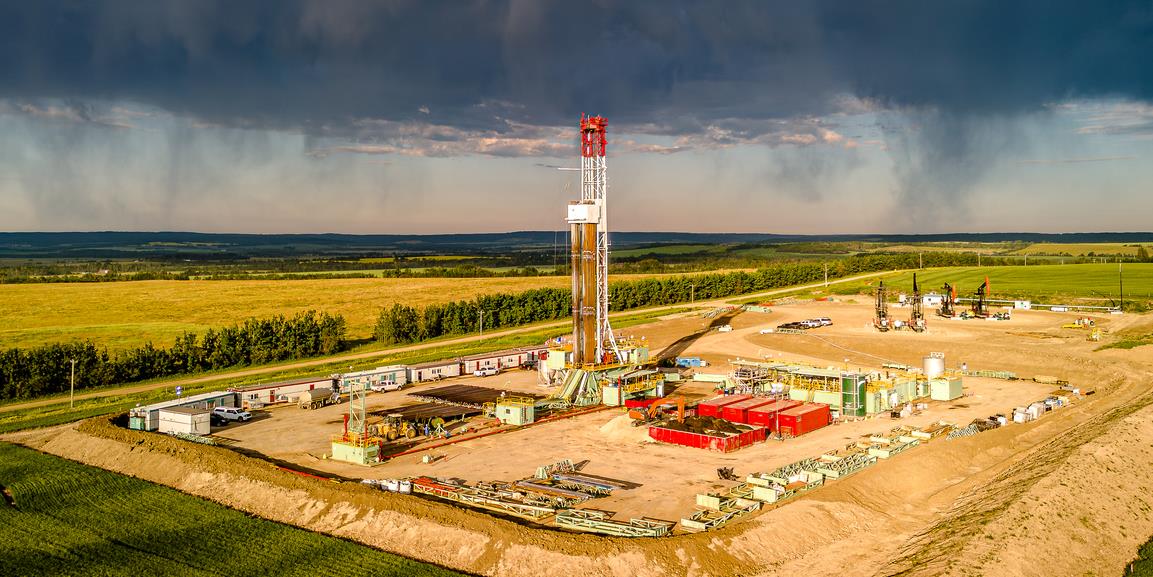
Shell’s 2023 Energy Transition Progress Report also highlighted a pivot toward removals. While the company still purchases avoidance credits from REDD+ projects, its new procurement guidelines now emphasize removals as a core part of its long-term net-zero framework. Shell notes that credits tied to geological storage or biomass carbon removal help address emissions “that are difficult or impossible to abate” in the short term. This hybrid strategy aligns with emerging best practices around aligning carbon credit portfolios with residual emissions forecasts.
For carbon project developers, the trend toward removals presents both a challenge and an opportunity. Projects that meet permanence thresholds and pass rigorous verification processes are commanding significantly higher prices—often 3–10x higher than avoidance credits. Buyers seeking to avoid greenwashing (insert hyperlink to article) are now expected to justify the environmental integrity of their credits, making removal-based offsets a critical procurement priority.
Green Carbon Corp supports the advancement of high-integrity carbon markets by helping buyers evaluate credit quality, permanence, and alignment with net-zero principles. Through partnerships with science-aligned registries and platforms like HYVE, the firm enables access to traceable carbon removal credits backed by rigorous data. Green Carbon Corp continues to advise organizations on balancing price, durability, and verifiability as demand for removal-based solutions accelerates.